The rug weavers of Bhadohi
October 3, 2026
·
2 min read
·
By Casa Mayuka
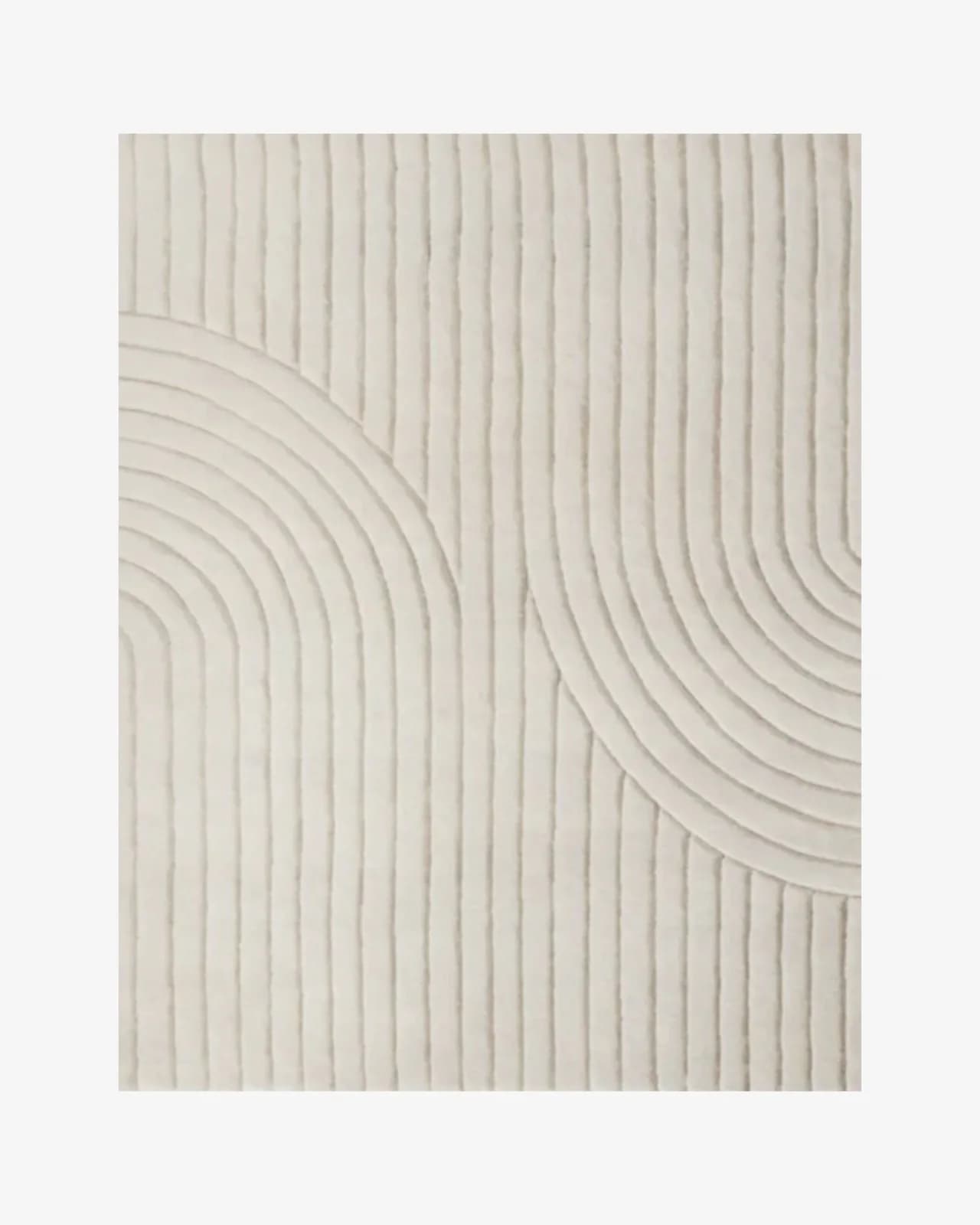
Bhadohi, in Uttar Pradesh, sits at the centre of India's handmade carpet trade. Our rugs come from a studio there that describes its work as "a quiet expression of luxury, crafted from the world's finest natural fibers, carefully sourced across four continents and woven into textured rugs that embody quiet luxury, timeless design, and the beauty of fine craftsmanship."
Three ways to make a rug
The rugs we carry are made in several ways, and each feels different underfoot:
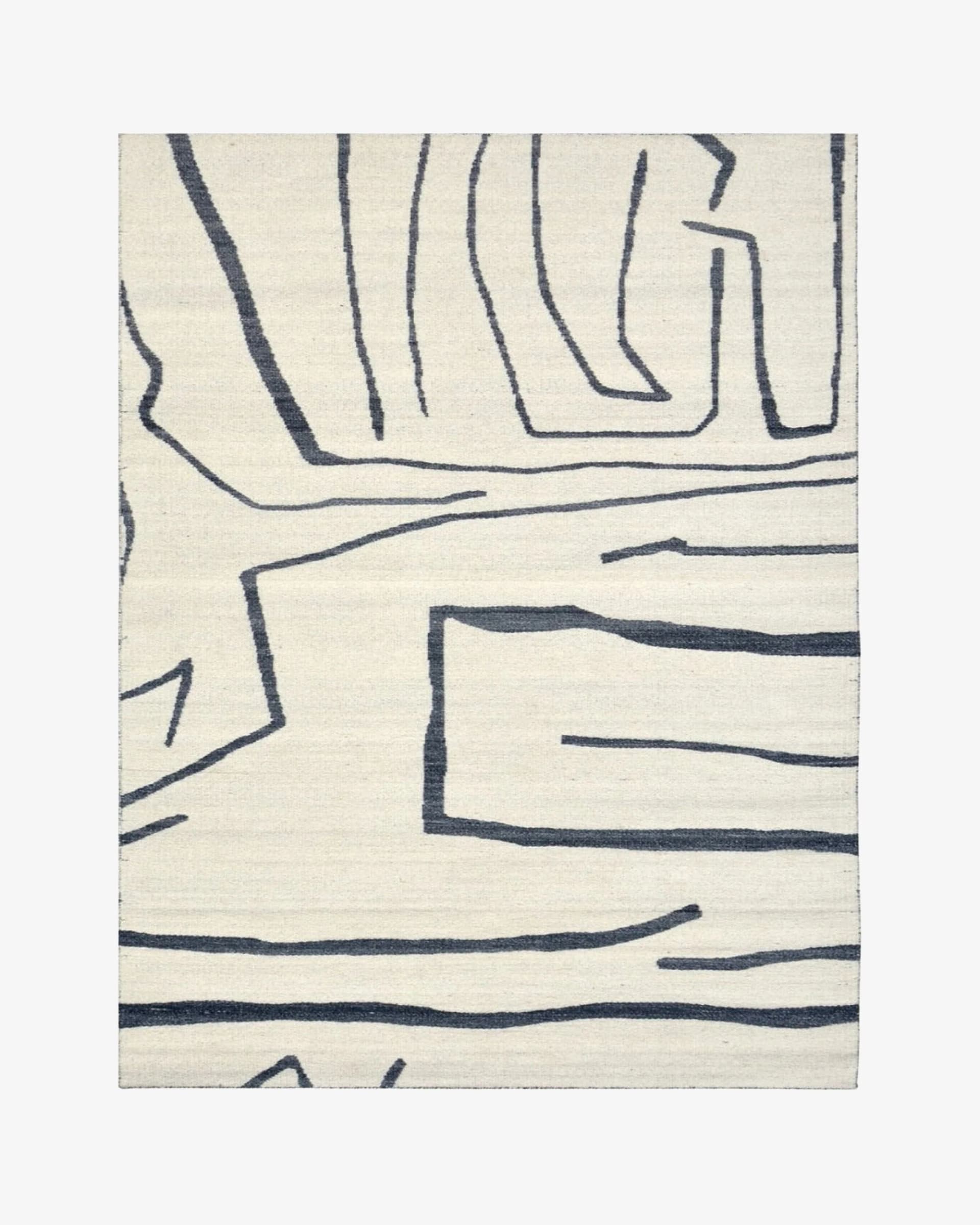
- Hand tufted. Most of the edit (Bitte, Tinker, Eucalyptus and others) is hand tufted in New Zealand wool. The pile is dense and even, soft to stand on, and holds a carved pattern well.
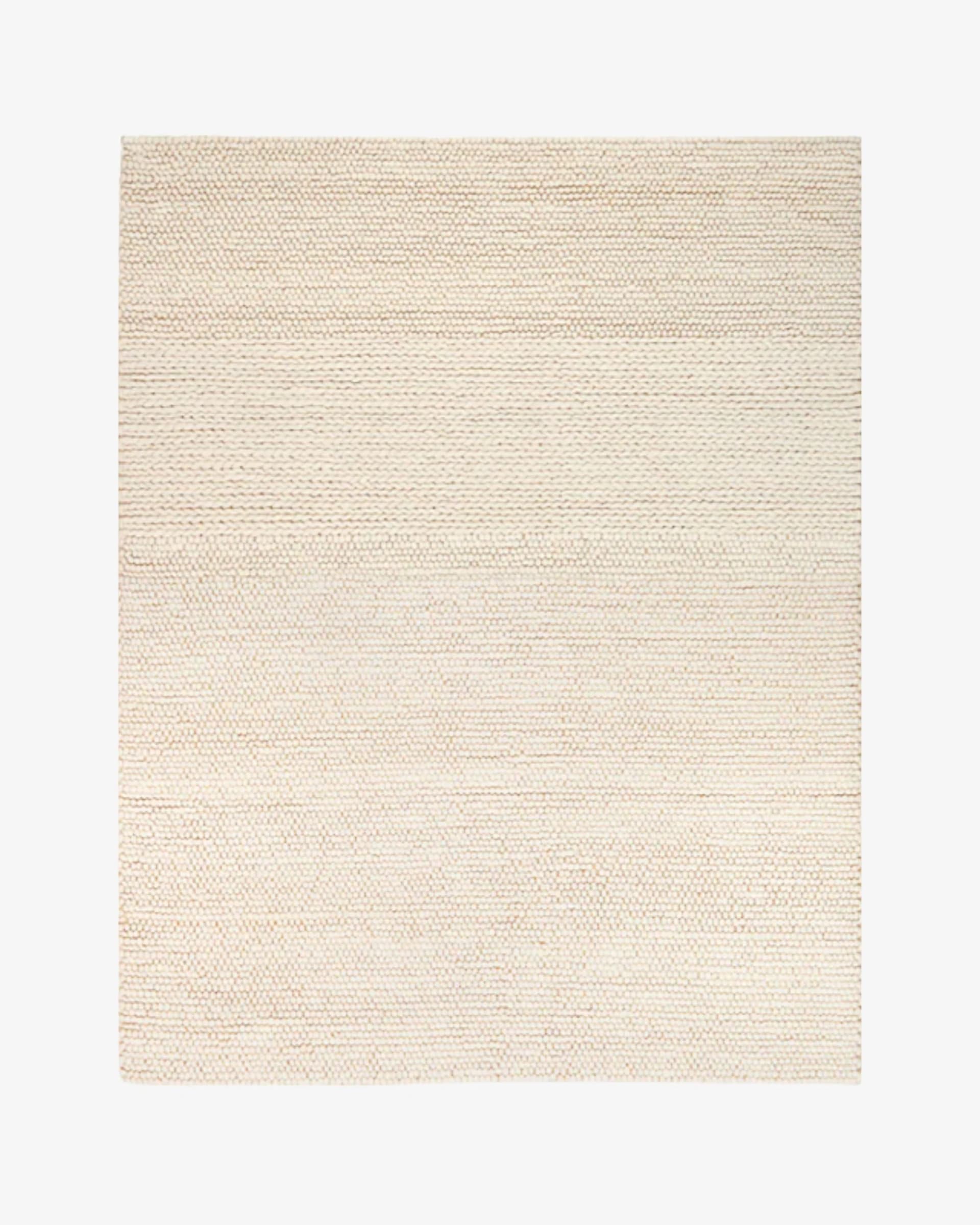
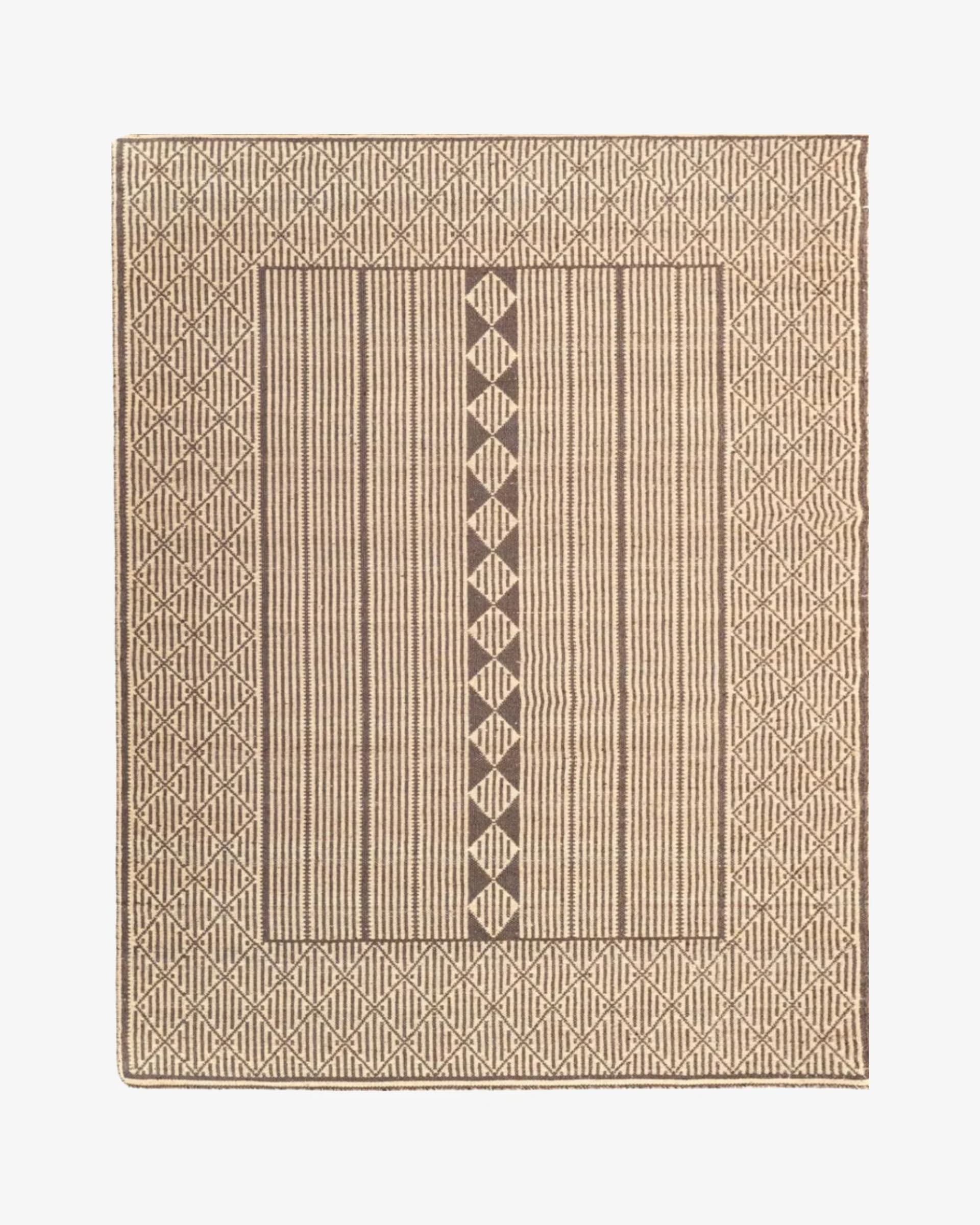
- Handwoven. Reversible rugs such as Minimal are flat and light, and you can use either side. Pebble & Braid is handwoven wool with chunky loops, flatter than a tufted pile.
- Natural fibre. Masai is jute: firm, textured, and at home in a warm, earthy room.
A note on "silk"
Some rugs sold as "silk" are actually viscose, a man-made fibre made from plants that has a silk-like sheen. When a rug has a viscose pile, we label it as viscose, so you know what you are buying. Viscose looks beautiful in a quiet room. For a hallway, or under a dining table, a wool rug will last longer.
Choosing a size
Most of these rugs come in several sizes, from 5 x 8 ft up to 12 x 15 ft for many designs. Each size has its own price and weight on the listing. A simple rule: in a living room, the front legs of the sofa and chairs should sit on the rug. Under a dining table, the rug should reach well past the chairs when they are pulled out.
Every rug is made to order, so each listing shows its own dispatch time and returns terms.
Shop the rugs
See all
From the workshop
Wool and silk, for softer floors The Dune wool and silk rug Rugs made to last Behind the scenes at the loom